
Vivo X90 Handson Review


The Vivo X90, launched in China last November, began international distribution this year, along with the Vivo X90 Pro. We reviewed the X90 Pro and found it to be an exemplary flagship smartphone with impressive imaging capabilities, but now we have a chance to spend some time with the more affordable vivo X90. We have been using the vivo X90 for a month and here is what we learned from it.
Packaging
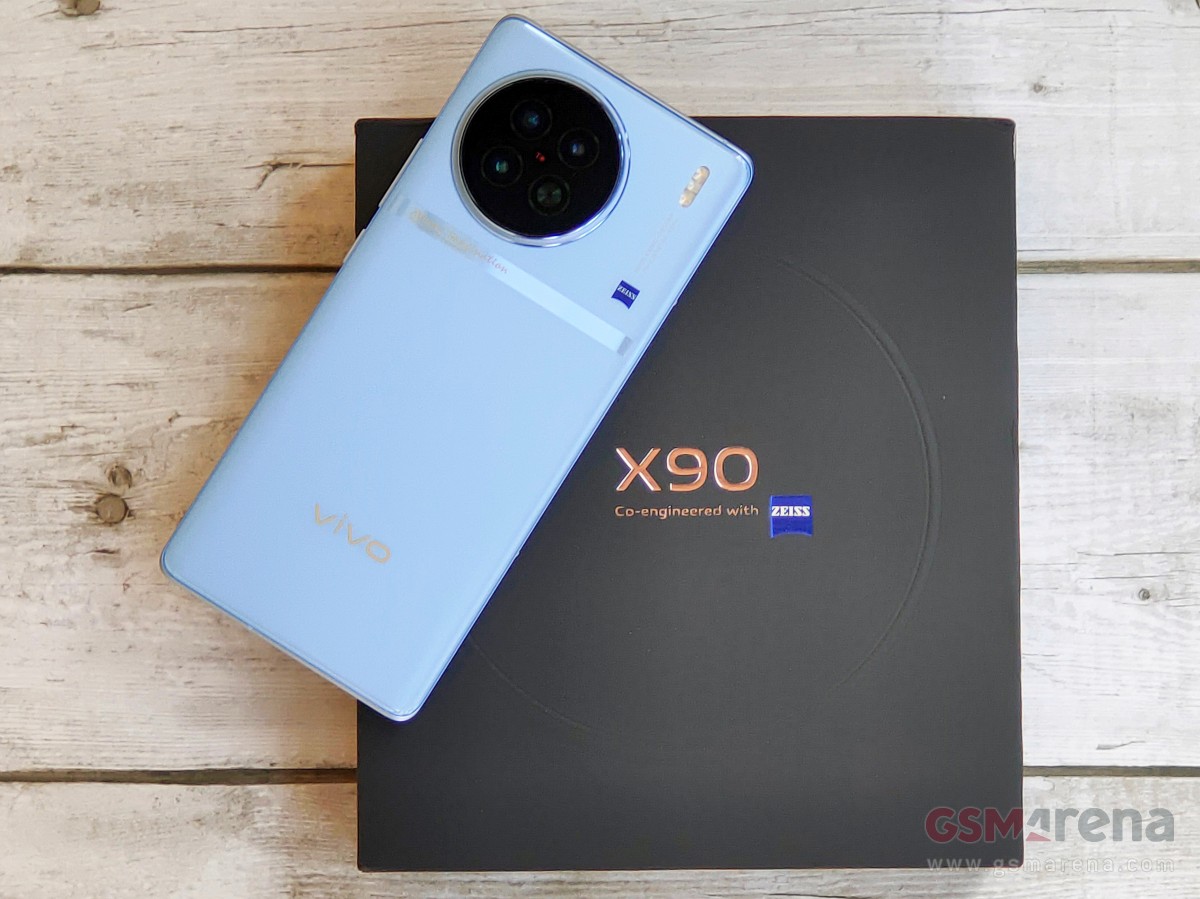
The Vivo X90 comes in a blue box similar to the X90 Pro box with the same contents. You get a protective case, SIM eject tool, USB-C cable, 120W charger and the usual paperwork. USB-C wired headphones and 3.5mm headphone adapter are not included in the package.
Design
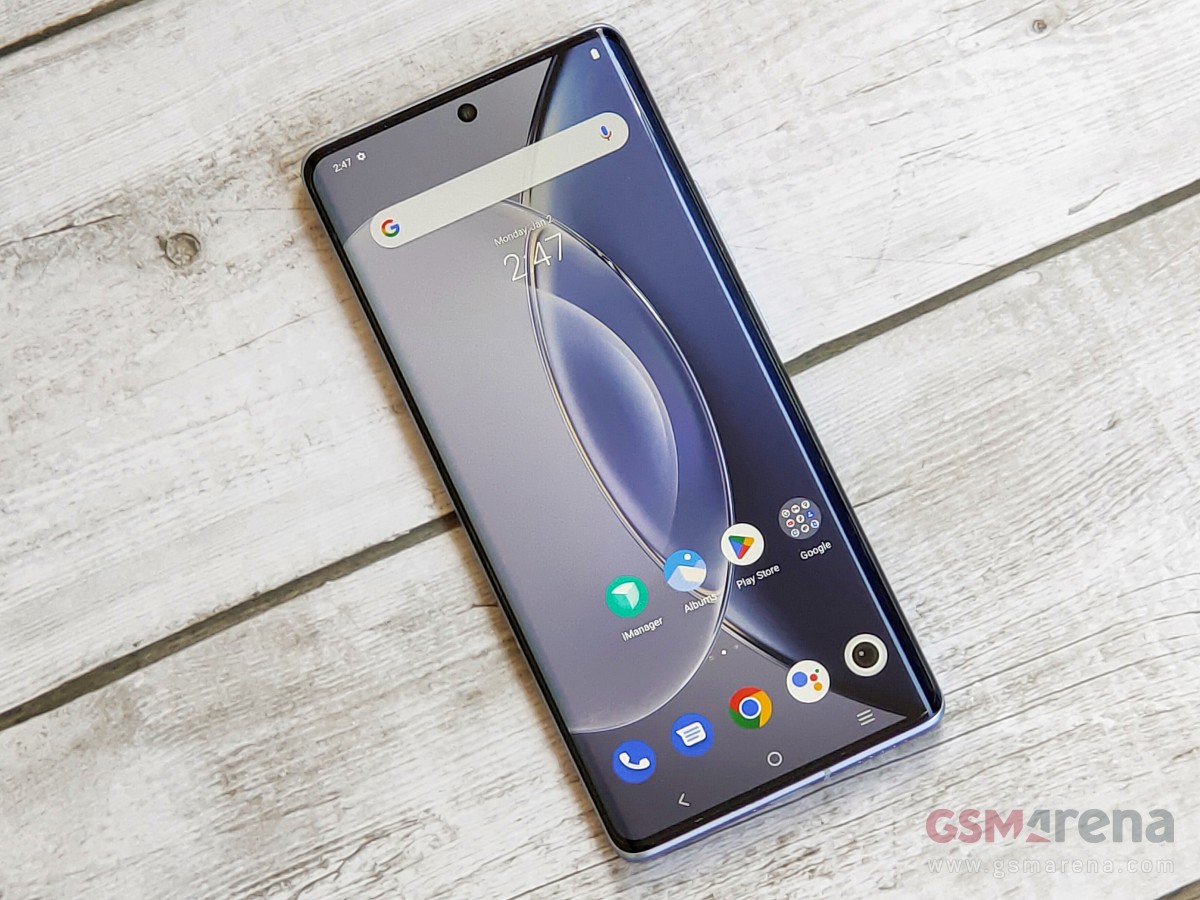
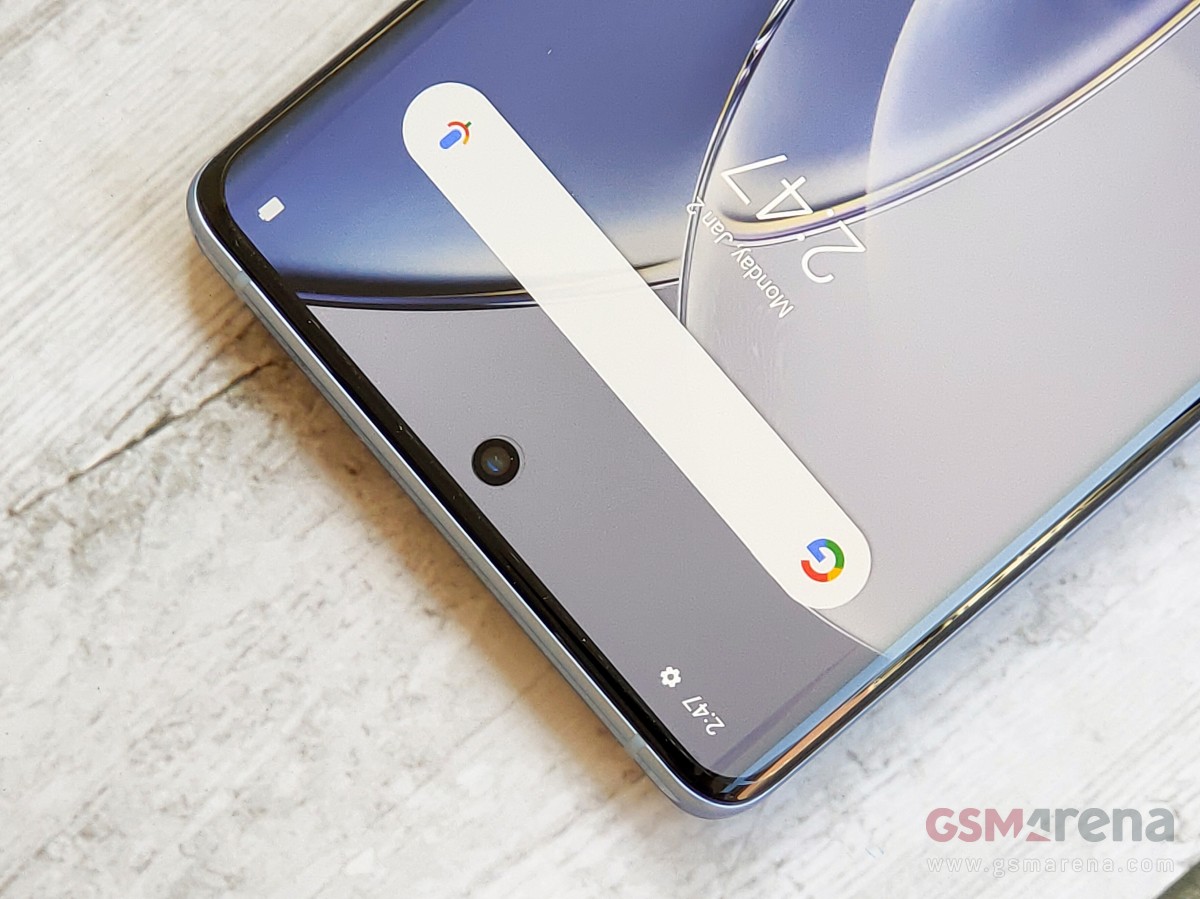
The Vivo X90 sports a 6.78-inch FullHD+ curved AMOLED display protected by SCHOTT Xensation α Glass. The panel has a screen refresh rate of 120 Hz and a brightness of 1300 nits. There is also a punch hole at the center for the 32-megapixel selfie camera. .
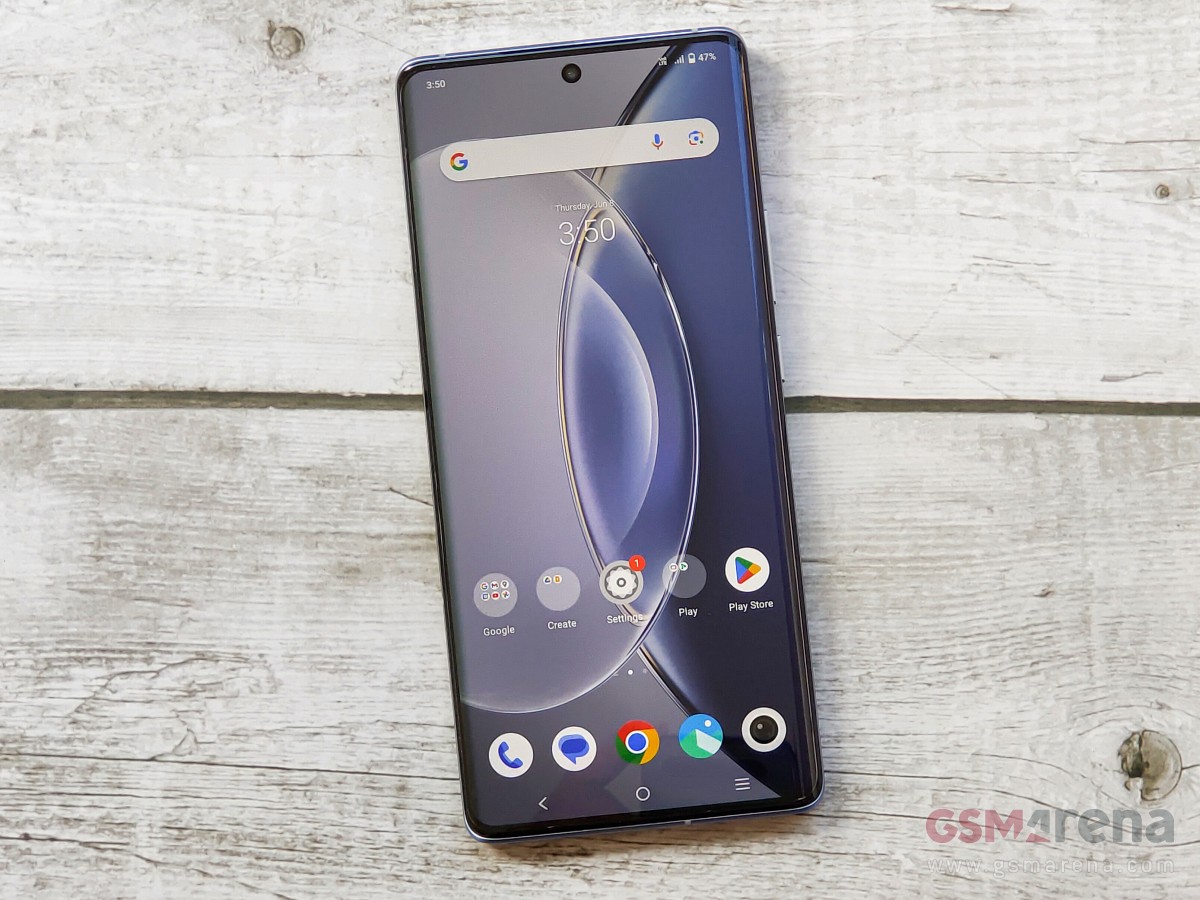
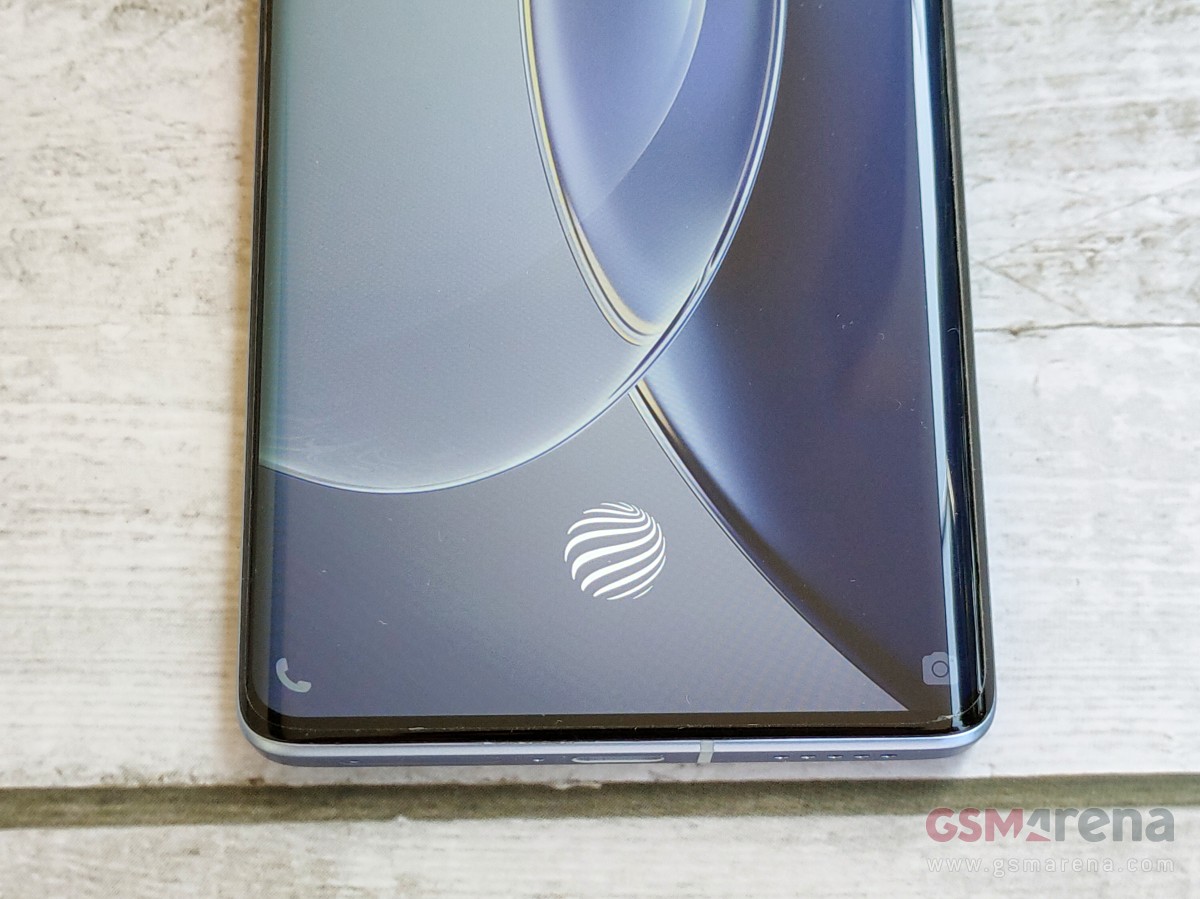
Additionally, there is an under-screen fingerprint scanner for biometric authentication. In our use we found it fast and accurate, and we liked it a lot, but we didn't like the placement The UD fingerprint scanner is located near the bottom bezel which makes it difficult to access. Same goes for the Vivo X90 Pro. Placing the fingerprint reader slightly higher like the Vivo X80 Pro would be more comfortable and provide a better unlocking experience.
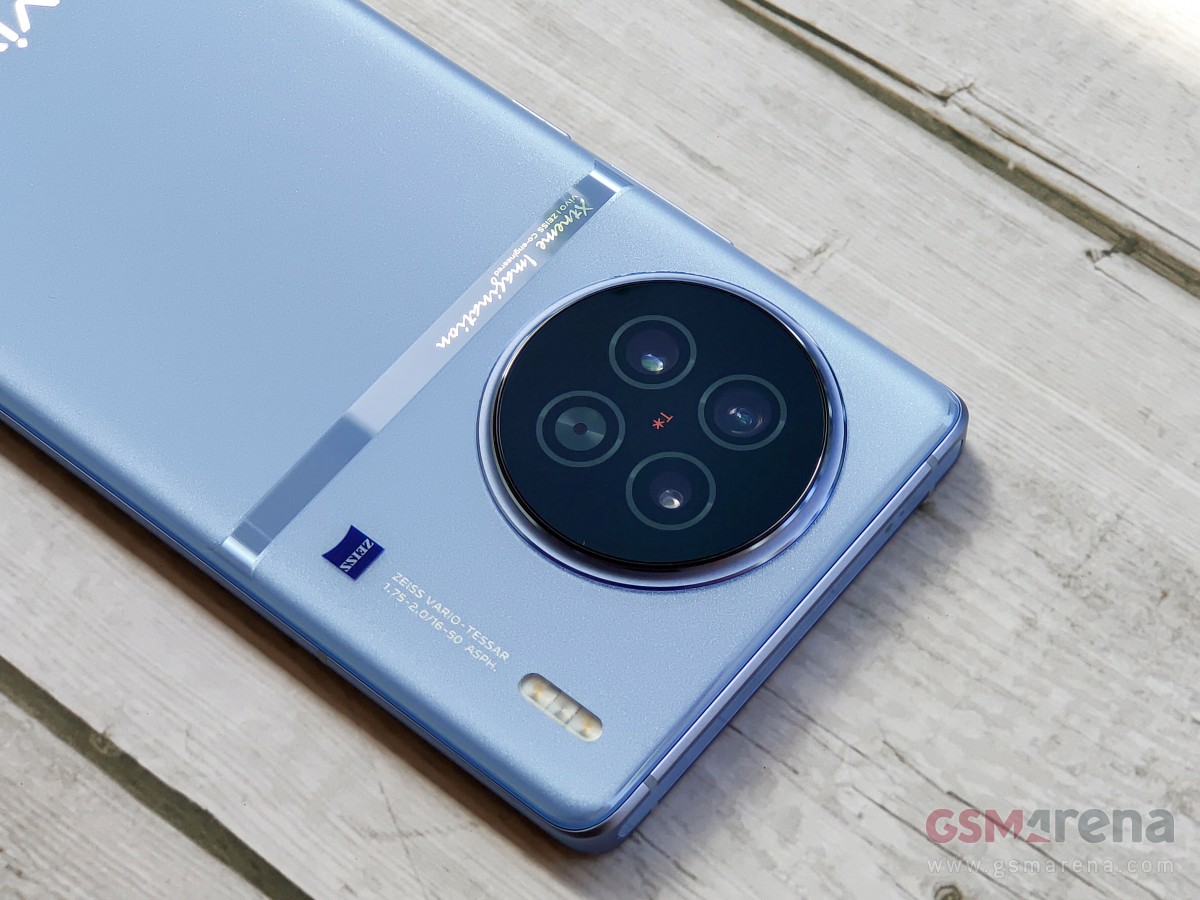
Flip the Vivo X90 over and you have a Fluorite AG glass panel, which Vivo calls a "Big Eye" camera module with three cameras (the fourth circle is for the laser focus sensor). On the right are some camera specs and an LED flash with ZEISS branding, and at the bottom is a strip that says Extreme Imagination, just like the X90 Pro. However, it's plastic rather than metal and doesn't feel as premium.
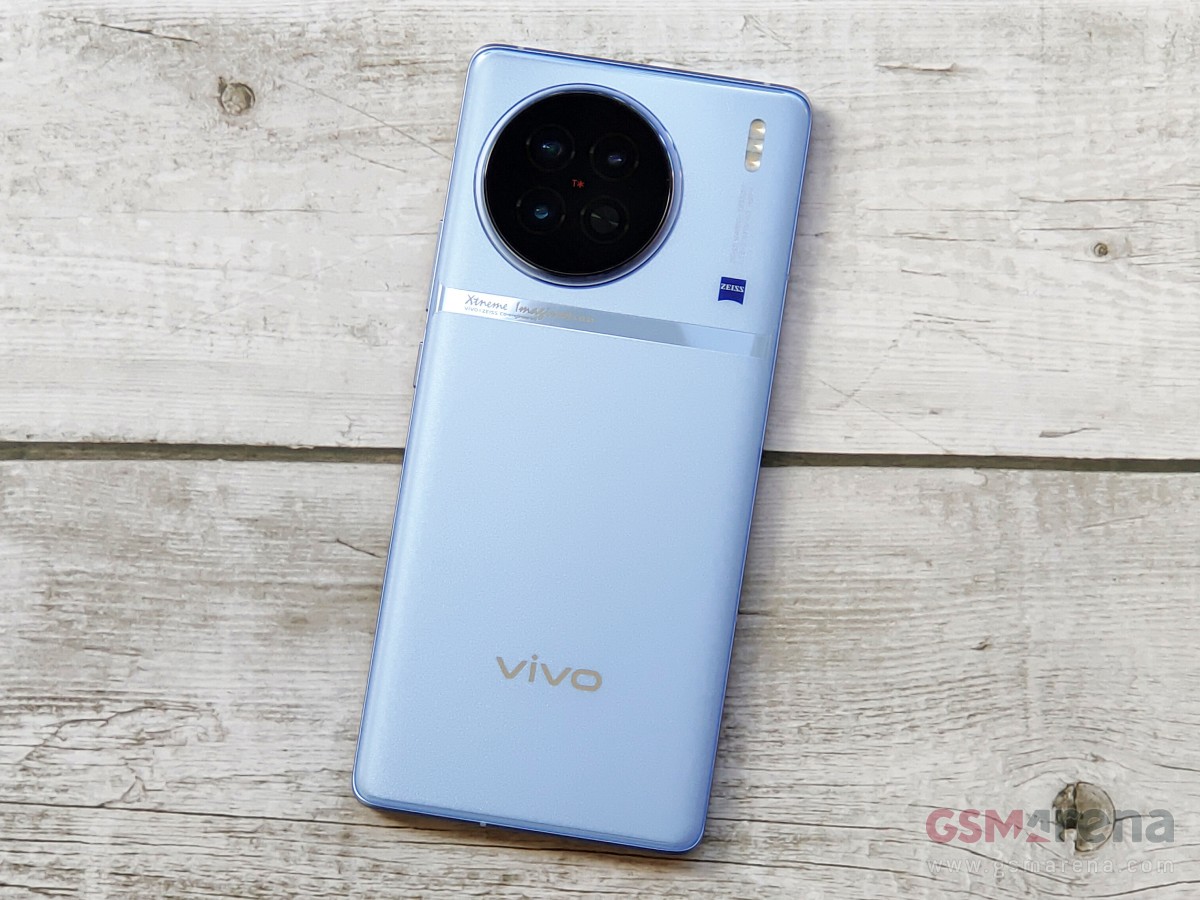
It should be noted that Vivo has used Corning Gorilla Glass 6, "a stronger and more durable glass lens with higher light transmission" for the camera module, and the camera has a ZEISS T* coating.
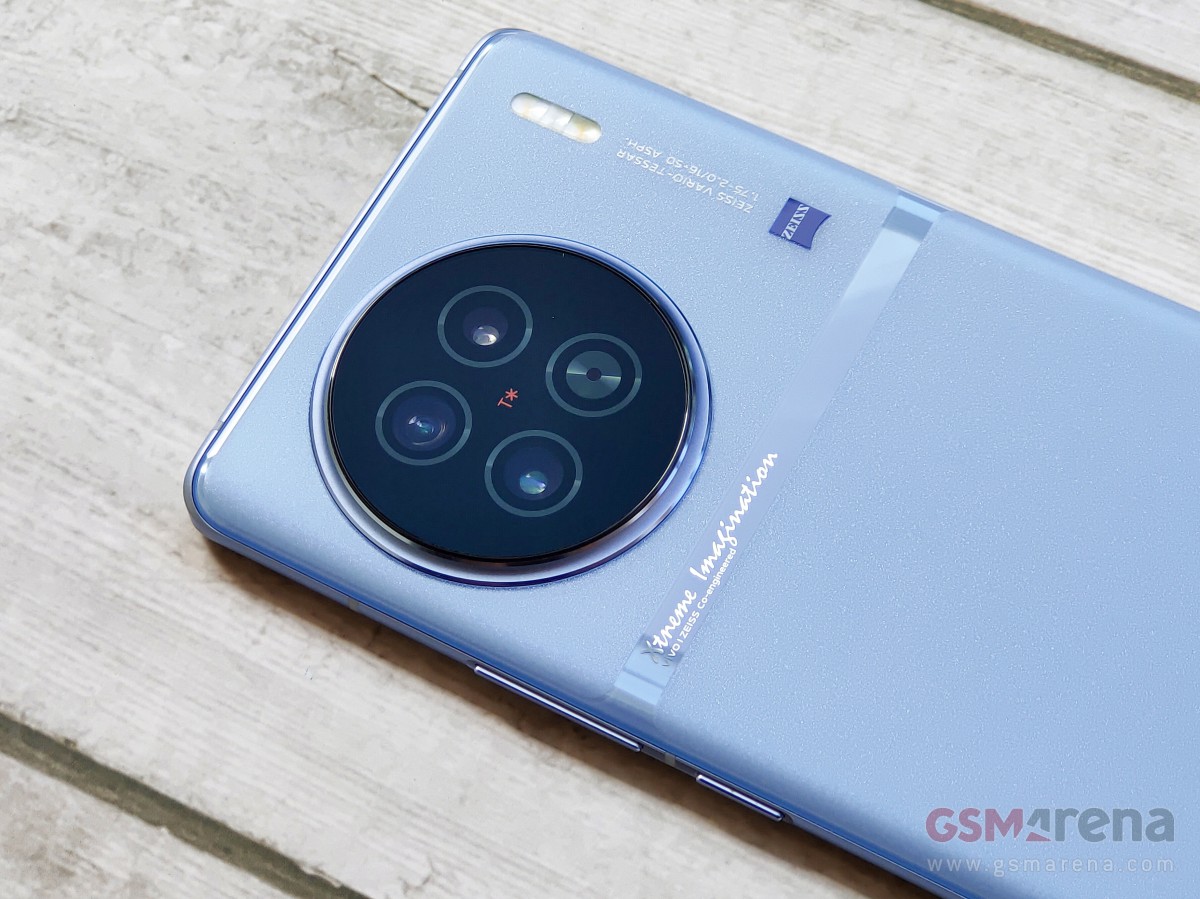
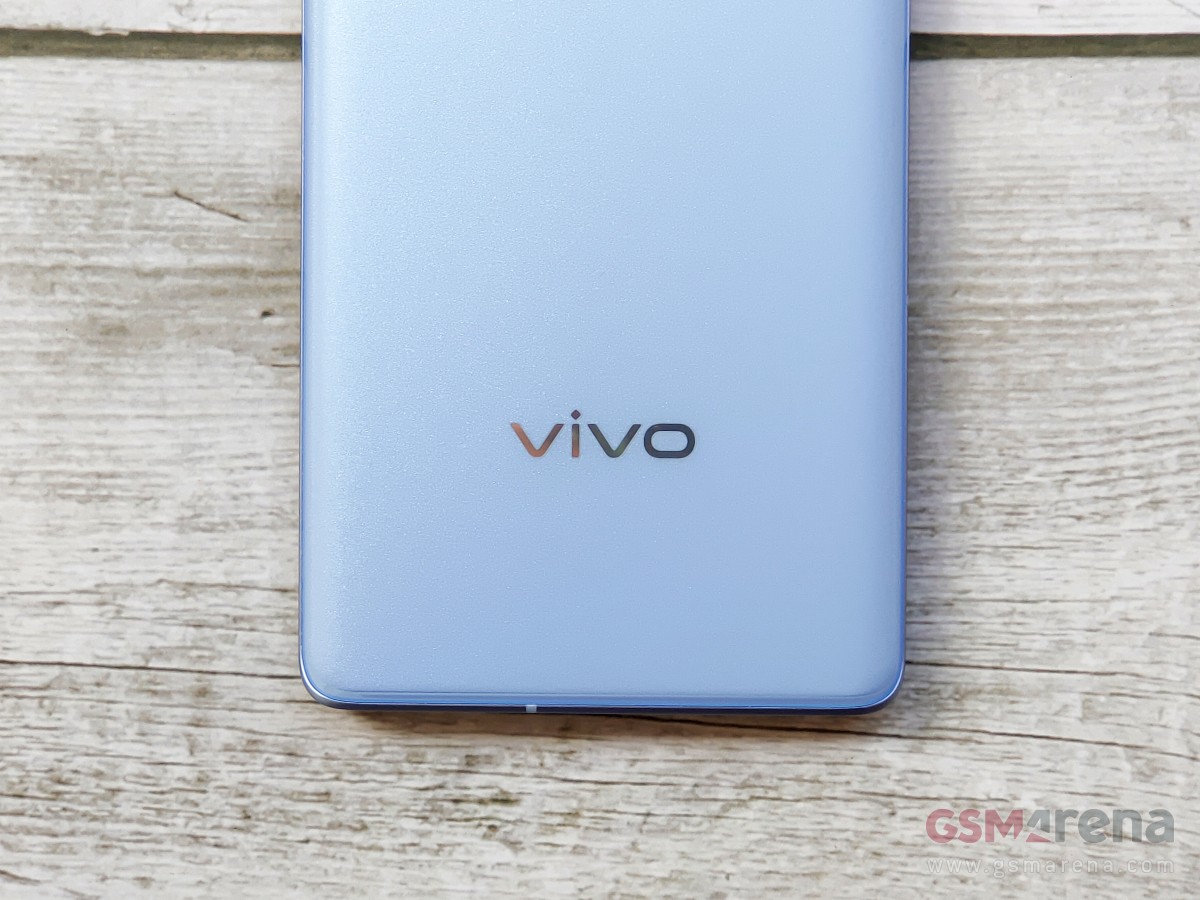
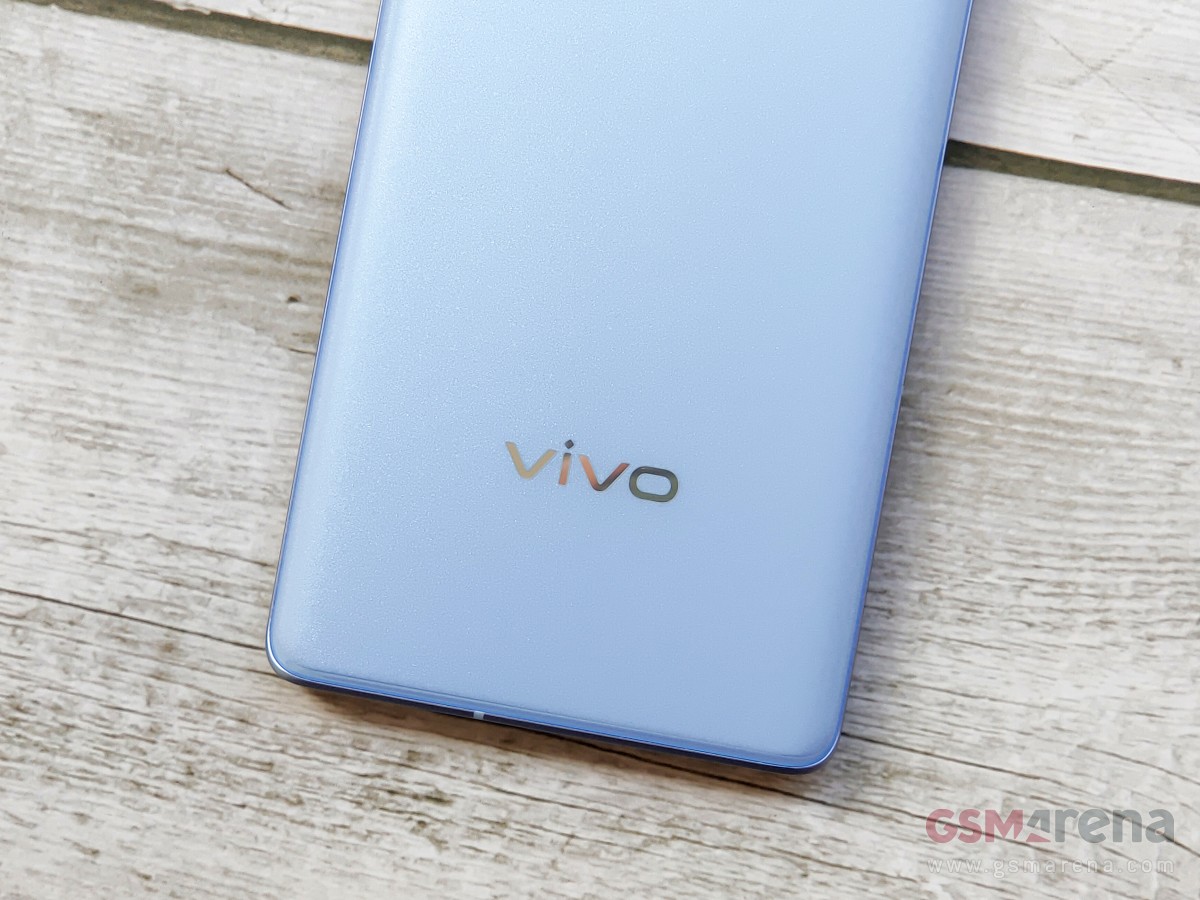
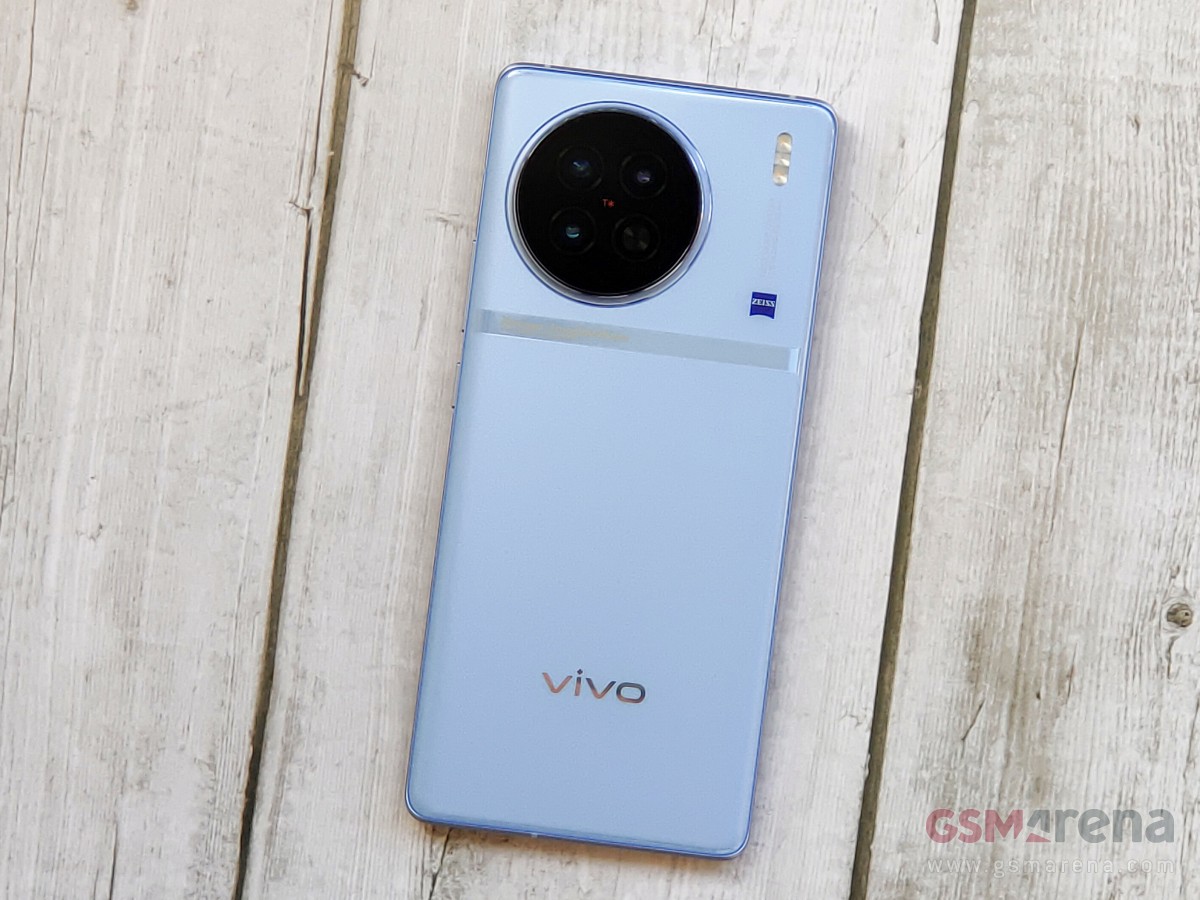
The Vivo X90 is offered in Asteroid Black, Breeze Blue and Red, with availability varying by market. We have the blue model which looks great. The curved back cover has a subtle glitter pattern and a matte finish that prevents smudges but keeps the phone as smooth as the vivo X80 Pro. Still, this build feels great to hold, even if it wobbles on flat surfaces due to the protruding rear camera, and the included protective case doesn't do much to fix that.
The X90 doesn't have flat bezels like some of Vivo's lower-end smartphones, which may or may not be a good thing depending on your preferences.
The frame itself is made of aluminum alloy and has antenna lines on all four sides. The volume up and power buttons are on the right side of the phone with good feedback, while the SIM card slot, main microphone and USB-C port are flanked by a speaker grill. Below is the speaker.
There is an additional microphone at the top which is connected to the IR blaster. Like the Pro variant, there is "Professional Photography" text on the top and an additional speaker above the selfie camera next to the bezel for immersive sound.
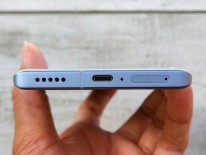
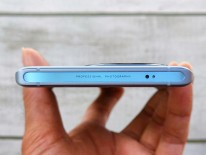
Ports and commands
We like the overall design of the vivo X90. It may not be as luxurious as the X90 Pro, but it doesn't feel cheap when you hold it.
strainer
The Vivo X90 has a 6.78-inch curved AMOLED display with a peak brightness of 1300 nits, a refresh rate of 120Hz and a pixel density of 452ppi. It supports 1.07 billion colors and is HDR10+, HDR10 and HLG certified. It's Widevine L1 certified and lets you stream 1080p video to supported apps.
Vivo X90 screen has good touch response thanks to X-Axis linear motor. Typing on the phone's slim profile is a joy. The panel is also quite bright and we had no problem reading text in direct sunlight at maximum brightness.
Like the Vivo X90 Pro, the Vivo X90 also comes with the Vivo V2 chip to enhance the photography experience and mobile display. With the latter, the game offers 120Hz frame interpolation, which lets you play at higher frame rates while using less power. However, only a limited number of games currently support game frame interpolation.
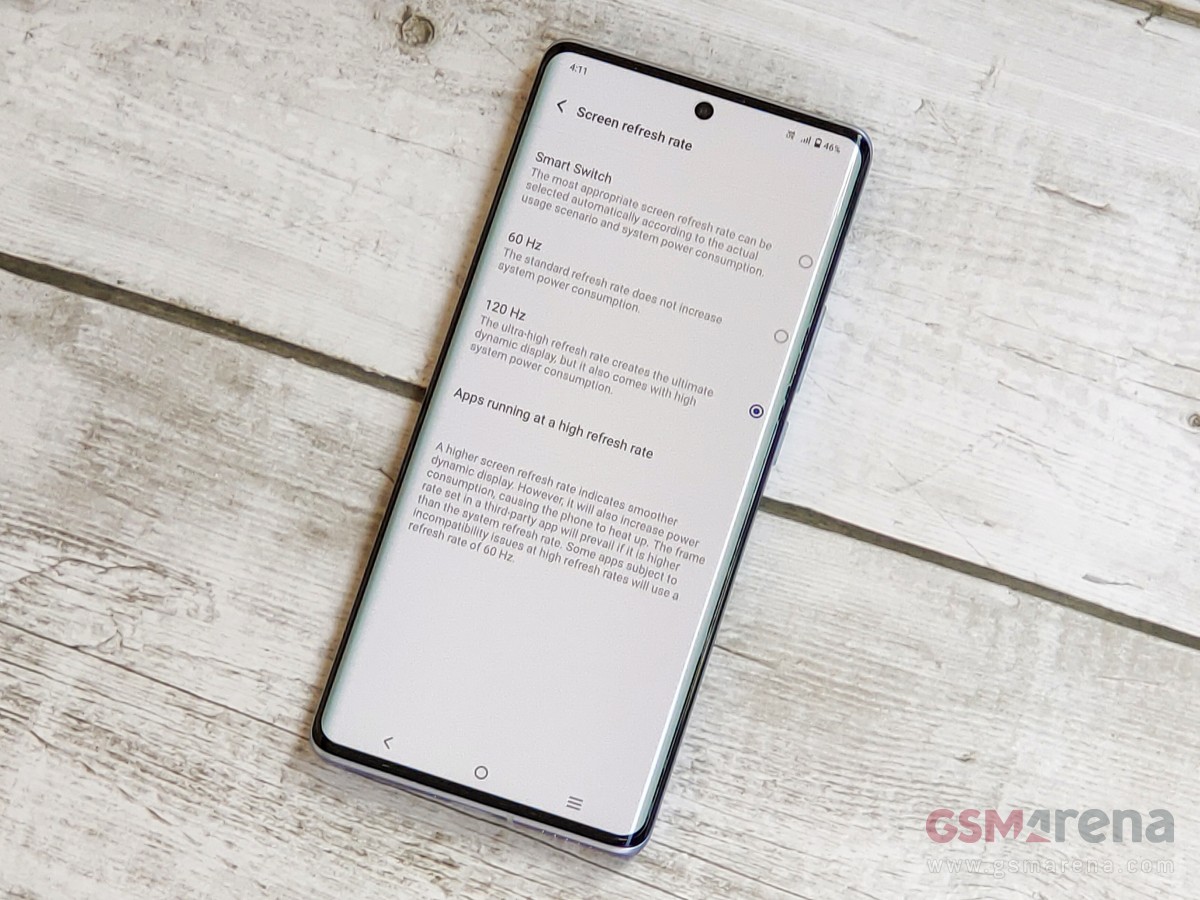
The Vivo X90 Smart Switch has 60Hz and 120Hz refresh rate options and the screen supports only three refresh rates – 60Hz, 90Hz and 120Hz. When you select the 120Hz option, you get an additional "Apps run at high frame rate" setting that lets you choose which apps/games can run at 120Hz. We have enabled it for all apps and games installed on our devices.
With the exception of a few apps including YouTube, Google Chrome, Google Photos, GSMArena and Quora, the refresh rate of most system menus and apps drops from 60Hz to 120Hz when interacting with the screen in Smart Mode Switch. at 60Hz. The screen refreshes at 120Hz when interacting with Facebook, Instagram, and Twitter screens, and drops to 60Hz when viewing photos or playing videos.
As expected, the refresh rate stays at 60Hz for everything, whether you're interacting with the screen or just viewing it in 60Hz mode. 120Hz mode is basically Smart Switch mode, but instead of being limited to 60Hz, all apps reach 120Hz when interacting with the screen.
We tested Call of Duty Mobile, Dead Trigger 2, Real Racing 3 and Sky Force Reloaded on the Vivo X90. In Smart Switch mode, only Dead Trigger 2 hits 120fps when interacting with the screen and stays at 60fps when viewing, while in 120Hz mode, Dead Trigger 2 and Sky Force Reloaded hit 120fps.
If you want smooth performance, 120Hz mode is the best choice, unless you're willing to consider turning it on for apps/games individually from the "Apps run at high refresh rate" setting.
Although the press materials claim a 90Hz refresh rate option, we never saw it active. On the other hand, we had no tactile issues with the vivo X90 due to the curved screen.
Software and performance
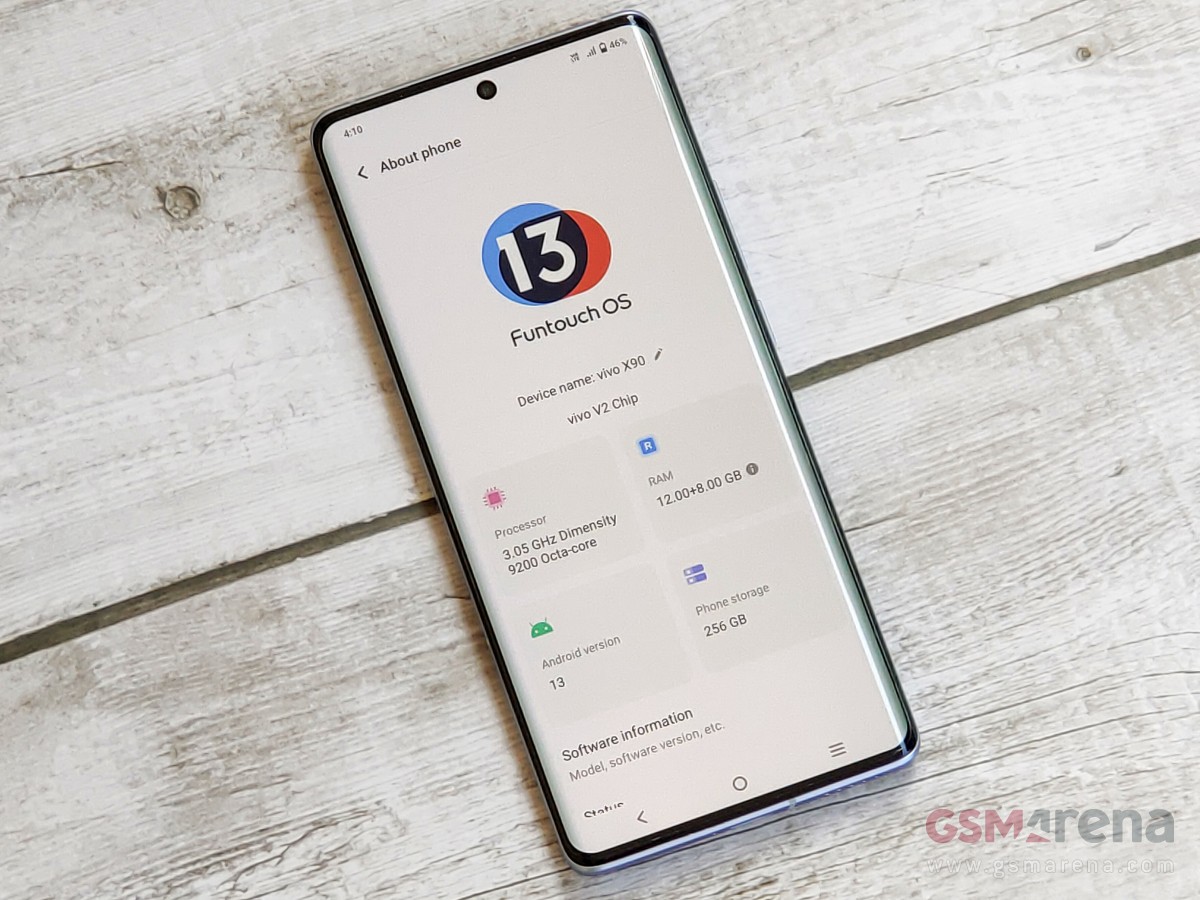
At the helm of the Vivo X90 is the SoC Dimensity 9200, the same chip found in the more expensive vivo X90 Pro. It comes with 12GB LPDDR5 RAM and 256GB UFS 4.0 storage. We have 12 GB of RAM and 256 GB of storage. Regardless of the storage configuration you choose, the smartphone runs Funtouch OS 13 based on Android 13, as Origin OS is still limited to Chinese devices.
Our unit is currently at a slightly older level of the May 1, 2023 security patch. Vivo promises three generations of Android updates and three years of "regular security updates". Only time will tell how often Vivo manages to release security patches.
The Vivo X90 comes preloaded with third-party apps, but luckily most of them can be uninstalled if you want. It should also be noted that the vivo X90 comes with hot detachable apps and hot games which the X90 Pro does not have. It is not clear if this is a cost-cutting decision or if the X90 Premium is cheaper than the X90 Pro.
The software you get with the vivo X90 is the same as the X90 Pro, so if you want to know more about Funtouch OS 13, we recommend reading our vivo X90 Pro review.
Some of the vivo/iQOO flagships released in India earlier weren't as fast as other phones with the same chipset, which luckily wasn't the case with the X90 and X90 Pro. Vivo has finally done enough to improve the user experience and it's about time. However, switching between apps using the navigation keys is still slow, as there has been no improvement in this regard. Obviously, gesture-based navigation is the way to go these days, but it can still annoy old-school users.
Still to fix some errors. The Always On screen will automatically turn off when the phone's battery is completely drained. This is also the case with the X90 Pro India, but not the previous Vivo (and iQOO) flagships we've used in India.
Additionally, Vivo needs to improve the X90's ability to stay connected to 5G networks, as it switches to 4G/4G+ in certain locations and parts of the room. It switches from 5G to 4G while charging, which isn't ideal. Several other 5G smartphones we used in the same room on the same network did not experience this problem. Fortunately, the network switch issue was fixed with the Android May 2023 security update, but Vivo hasn't fixed the always on screen issue.
However, while the vivo X90's software isn't perfect, the overall performance of this Dimensity 9200-powered smartphone is fast and smooth. During daily use, there was hardly any stuttering and the phone handled long gaming sessions very well. Web, which is not surprising, since in our experience, many Indian vivo and iQOO smartphone models have always faced overheating problems. There have also been instances of the X90 overheating and laying on the table when not in use. To solve this problem, Vivo needs to do proper optimization.
the camera
Like the X90 Pro, the Vivo X90 has four cameras – one on the front and three on the back. The X90's front camera uses the same 32-megapixel sensor as the Pro model, but the three rear cameras are different. It has a 50MP primary, a 12MP ultra-wide (108° FOV), and a 12MP telephoto lens. The fourth circle contains a laser focus sensor.
The 32-megapixel selfie camera has an f/2.45 aperture and can record up to 1080p video at 60 fps. It supports five ZEISS portrait photo styles – biotare, sonar, planar, distagon and cinematic. Vivo has introduced a new ZEISS portrait mode called Cine-flare with the X90 series, but it's not available on the X90 and X90 Pro's front camera.
The main 50-megapixel camera on the back has an f/1.75 aperture and optical image stabilization. It uses the Sony IMX866vcs sensor that can record video up to 4K resolution at 60 fps. It can shoot HDR10+ video at 1080p at 30fps and you also have the option to record video with ZEISS Cine filters.
Both 12MP cameras use a Sony IMX663 sensor, but one sits behind a 2x optical zoom telephoto lens and the other an ultra-wide-angle lens. It's also worth noting that the 12MP telephoto lens advertised as "Portrait Camera Pro" has an aperture of f/1.98, while the 12MP ultra-wide camera has an aperture of f/2.0. The latter can also do macro photography in Super Macro mode.
All three Vivo X90 cameras shoot fast in the default photo mode and we didn't experience any shutter lag. The main camera can capture blur-free flowers and plants in windy conditions. We also like the Sports mode, which helps users capture blur-free photos in moving situations. We took pictures from inside a high-speed car and the results were better than expected.
Compared to the X90 Pro and because of its lower price, the X90 takes great photos day and night. However, despite the use of ZEISS T* coating on all main cameras, photos taken at night and in low light with the main and ultra-wide cameras show reflections, which is also the case with the X90 Pro Plus Deer.
Subject separation is good in photos taken in portrait mode, but the algorithm often confuses glasses and blurs parts of them, regardless of the distance between the camera and the subject. In images taken with the ultra-wide camera, some scenes also contain fading of distant objects.
The Vivo X90 has a Supermoon mode that lets you take photos with 1x, 2x, and 10x zoom. We like it because the moon photos we took at 1x and 2x look fake and artificial compared to 10x. However, it is best to use a tripod when shooting the 10x Supermoon.
Below you can see some of the photos we took with the Vivo X90.
picture of the day
First, look at the photos in daylight.




















main camera
Here are some photos taken with the ultra wide camera.









Ultra wide camera
Some photos are taken in super macro mode.



Super macro with ultra wide camera
কিছু ছবি স্পোর্টস মোডে তোলা হয়েছে।


খেলা
রাতের শট
এবার দেখা যাক রাতের শটগুলোর দিকে।






প্রধান ক্যামেরা
সুপারমুন মোডে তোলা ছবি।



সুপার মুন মোড: 1x • 2x • 10x
ব্যাটারি
Vivo X90 একটি 4,810mAh ডুয়াল-সেল ব্যাটারি দ্বারা চালিত, যা X90 Pro এর ব্যাটারির চেয়ে 60mAh কম। আমরা vivo X90-এ আমাদের স্ট্যান্ডার্ড ব্যাটারি পরীক্ষা চালাতে পারিনি কারণ ফোনটি আমাদের সদর দফতরে পরীক্ষা করা হয়নি। কিন্তু, অদ্ভুতভাবে, vivo X90 আমাদেরকে 120Hz স্ক্রিন রিফ্রেশ রেট, 5G মোবাইল ডেটা এবং মাঝারি থেকে ভারী ব্যবহারের সাথে একটি সক্রিয় অ্যাক্সেস পয়েন্ট সহ একটি মাত্র চার্জে 4.5-5.5 ঘন্টা স্ক্রীন টাইম দিয়ে সারাদিন ধরে নিয়ে যায়। সর্বদা. ব্যবহারের মধ্যে রয়েছে ওয়েব ব্রাউজ করা, ইউটিউবে ভিডিও স্ট্রিম করা, সোশ্যাল মিডিয়া অ্যাপ ব্যবহার করা এবং অন্তত এক ঘণ্টার রিসোর্স প্রয়োজন এমন গেম খেলা।
ব্যাটারি শেষ হয়ে গেলে, আপনি 8 মিনিটের মধ্যে 1% থেকে 50% পর্যন্ত চার্জ করার জন্য বিজ্ঞাপিত 120W AC অ্যাডাপ্টার দিয়ে চার্জ করতে পারেন। আমাদের পরীক্ষায়, স্মার্টফোনটি 5 মিনিটে 1% থেকে 23%, 10 মিনিটে 42%, 12 মিনিটে 50%, 15 মিনিটে 59%, 30 মিনিটে 99%, 32 মিনিটে 100% চার্জ হয়। আমরা ভারতীয় গ্রীষ্মে সর্বদা অন ডিসপ্লে এবং 5G মোবাইল ডেটা সহ এই লোড পরীক্ষা চালিয়েছি এবং আপনার মাইলেজ ব্যবহার এবং পরিবেষ্টিত তাপমাত্রার সাথে পরিবর্তিত হবে।
result
Vivo X90 Vivo X90 Pro-এর মতো উচ্চ-সম্পন্ন ফ্ল্যাগশিপ নয়, একটি চিত্তাকর্ষক প্রধান ক্যামেরা সিস্টেম যা একটি 50MP টাইপ 1 সেন্সর ব্যবহার করে৷ এটি 50MP টেলিফটো লেন্সের সাথেও আসে না এবং বেতার চার্জিং সমর্থন করে না৷ প্রো মডেলের মত। অন্যদিকে, Vivo X90-এর দাম X90 Pro-এর মতো দামি নয়।
ভারতে, vivo X90 Pro একটি 12GB/256GB স্টোরেজ কনফিগারেশনে আসে এবং এর দাম 84,999 টাকা ($1,040/€950), যেখানে একই পরিমাণ RAM এবং স্টোরেজ সহ X90 এর দাম 63,999 টাকা। ($780/€715) . ) উপরন্তু, 8GB RAM এবং 128GB অভ্যন্তরীণ স্টোরেজ সহ মডেলটির দাম INR 59,999 ($730/€670)।
যদিও এটি একটি আসল ফ্ল্যাগশিপ নয়, Vivo X90 এর অনেক সুবিধা রয়েছে। এটির একটি আইপি54 রেটিং সহ একটি সুন্দর মসৃণ ডিজাইন রয়েছে এবং ব্রীজ ব্লু মডেলটি দুর্দান্ত দেখাচ্ছে৷ এমনকি গেমিং করার সময়ও, সামগ্রিক কর্মক্ষমতা দৃঢ় এবং AMOLED ডিসপ্লে উজ্জ্বল এবং প্রাণবন্ত।
Vivo X90 এর ব্যাটারি লাইফ সেরা নয়, তবে আমরা একক চার্জে সারাদিন পার করতে পারি। এবং 120W ওয়্যারলেস চার্জিংয়ের জন্য সমর্থন নিশ্চিত করে যে স্মার্টফোনটি প্রায় আধা ঘন্টার মধ্যে সম্পূর্ণরূপে চার্জ হয়ে গেছে।
ক্যামেরার কথা বললে, vivo X90 Pro এর সমকক্ষের মতো একই ফলাফল দেয় না। যাইহোক, এটি দিনে এবং রাতে ভাল ছবি তোলে। যাইহোক, ফোনটি স্বাভাবিকের চেয়ে বেশি গরম হয়ে গিয়েছিল এবং কিছু অদ্ভুত সফ্টওয়্যার ত্রুটি ছিল, যার মধ্যে কয়েকটি ভিভো দ্বারা সংশোধন করা হয়েছিল।
উপসংহারে, যদি vivo X90 Pro, যা এখন আন্তর্জাতিক বাজারে Vivo-এর ফ্ল্যাগশিপ অফার (China-exclusive Pro+), আপনার বাজেটের মধ্যে না থাকে বা আপনি 50MP 1 এর জন্য অতিরিক্ত অর্থপ্রদান করতে না চান, রেকর্ড 8K, এর সাথে চমৎকার ডিজাইন IP68 সুরক্ষা শ্রেণী এবং 50W ওয়্যারলেস চার্জিং সহ একটি সামান্য উচ্চ ক্ষমতার ব্যাটারি, তাই আপনি Vivo X90 এর সাথে ভুল করতে পারবেন না।